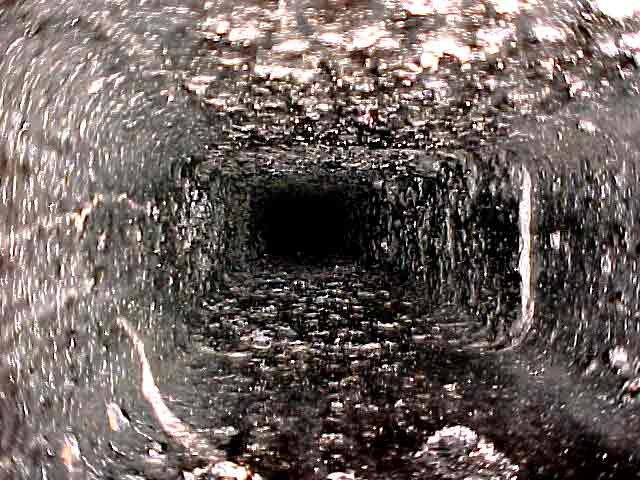
Creosote accumulation is one of the biggest safety risks for any home with a fireplace or wood stove. It may start small, but over time, it can become highly flammable and lead to chimney fires, structural damage, and costly repairs. The good news? With the right habits and consistent upkeep, creosote build-up is completely preventable.
In this article, we’ll go over the most effective ways to keep creosote under control and why regular chimney maintenance from Windy City Air Care is essential for a safe, efficient fireplace.
Book a Professional Chimney Inspection Every Year
One of the simplest—and most reliable—ways to prevent creosote is to schedule annual chimney inspections. A trained technician checks every part of your chimney system, including the flue, liner, cap, and smoke chamber, to identify build-up or damage.
Experts recommend having your chimney inspected once a year, ideally before winter. This helps catch early creosote deposits, cracks, blockages, or ventilation issues before they turn into serious hazards.
If you use your fireplace heavily, notice extra smoke, or have trouble starting fires, consider scheduling inspections more frequently.
Use Only Dry, Seasoned Firewood
The type of wood you burn makes a huge difference. Wet, green, or freshly cut wood produces excessive smoke and incomplete combustion—which leads to faster creosote formation.
To reduce build-up:
-
Burn dry, seasoned hardwood such as oak, maple, or hickory.
-
Ensure wood moisture levels are below 20%.
-
Avoid pine or softwoods when possible—they burn faster and create more residue.
Seasoned wood burns hotter and cleaner, minimizing smoky fires and decreasing creosote risk.
Make Sure Your Fireplace Has Proper Airflow
Poor ventilation is one of the biggest contributors to creosote formation. When a fire doesn’t get enough oxygen, it burns cooler and produces more smoke.
To maintain healthy airflow:
-
Open the chimney damper fully before starting a fire.
-
Don’t overload the firebox with too much wood.
-
Keep the area around the fireplace clear.
-
Ensure the chimney isn’t blocked by nests, leaves, or debris.
A hot, well-ventilated fire burns cleaner and reduces the amount of residue left inside the chimney.
Use Chimney Cleaning Logs Between Cleanings
Chimney sweep logs aren’t a replacement for professional cleaning, but they can help reduce light creosote build-up. When burned, these logs release a chemical formula that helps loosen deposits inside the flue.
They’re helpful for maintenance between professional cleanings, especially for frequent fireplace users, but they won’t remove heavy creosote or glazed deposits.
Schedule Routine Chimney Sweeping
Even with good burning habits, some creosote will always accumulate over time. That’s why regular chimney sweeping is essential.
Professional chimney cleaners use specialized brushes, rods, vacuums, and equipment to remove soot, creosote, and blockages thoroughly.
Most homeowners should schedule a cleaning once a year, but if you use your fireplace frequently—or burn softwood—you may need it done more often.
Need Professional Chimney Cleaning? Windy City Air Care Is Here to Help
If you’re worried about creosote build-up or simply want to keep your home safe, Windy City Air Care offers expert chimney inspections and professional chimney cleaning services. Our trained team ensures your chimney operates safely, efficiently, and with proper airflow.
Don’t risk a chimney fire—schedule a cleaning or inspection today and keep your home protected.